TL;DR
In the Philippines, stairlifts usually cost less upfront, but they only carry one person at a time and rely on an existing staircase. Traditional elevators cost the most because they require deeper construction, a machine room, and a larger elevator shaft. A home elevator like Ascenda by Cibes offers a practical middle ground with easier access, a modern design, lower structural requirements, and better long-term value for many Filipino homes.
For most two-storey and multi-level homes in Metro Manila, Rizal, Laguna, Cavite, Cebu, and Davao, home elevators are becoming the practical choice between expensive traditional elevators and limited stairlift systems.
Why Are More Filipino Homeowners Comparing Home Elevators?
The way Filipino families use their homes is changing. As urban lots become smaller, many homeowners are building upward instead of outward. Two- and three-storey homes are now common in areas such as Quezon City, Makati, Pasig, Antipolo, Cebu City, and Davao.
For multi-storey homes, stairs can become harder to use over time. This is especially true for families with seniors, young children, wheelchair users, or family members with limited mobility. In multi-generational households, easier access between floors can make everyday life more comfortable.
This is why more homeowners are comparing different ways to move between floors, including:
- Home elevators
- Residential lifts
- Stairlifts
- Wheelchair lifts
- Traditional elevators
- Compact home lifts
The question is no longer simply whether a lift can be installed in a house.
The bigger question is: Which system is right for your home, space, and budget?
What Is the Difference Between a Home Elevator, Stairlift, and Traditional Elevator?
Although all three systems help people move between floors, they are designed for different purposes.
A stairlift carries a person along an existing staircase. A home elevator moves passengers vertically between floors and is designed specifically for residential use. A traditional elevator is generally built for higher traffic and larger buildings, although similar systems can also be installed in large private homes.
The right choice depends on factors such as available space, accessibility needs, construction requirements, number of users, and budget.
What Is a Stairlift?
A stairlift is a motorized seat that travels along a rail installed beside or on a staircase. The user sits on the seat while the system moves between floors.
Stairlifts can be useful for:
- Seniors who find stairs difficult to use
- People with temporary mobility limitations
- Homes where major structural changes are difficult
- Users who need a simple way to access different floors
One of the main advantages of a stairlift is its relatively simple installation. It uses the existing staircase rather than requiring a separate vertical shaft.
However, a stairlift also has limitations. It normally carries one seated passenger at a time and does not provide the same flexibility as a home elevator for wheelchair users, multiple passengers, or moving larger household items.
The staircase itself also affects the installation. Straight staircases are generally simpler, while curved or complex staircases may require a custom rail.
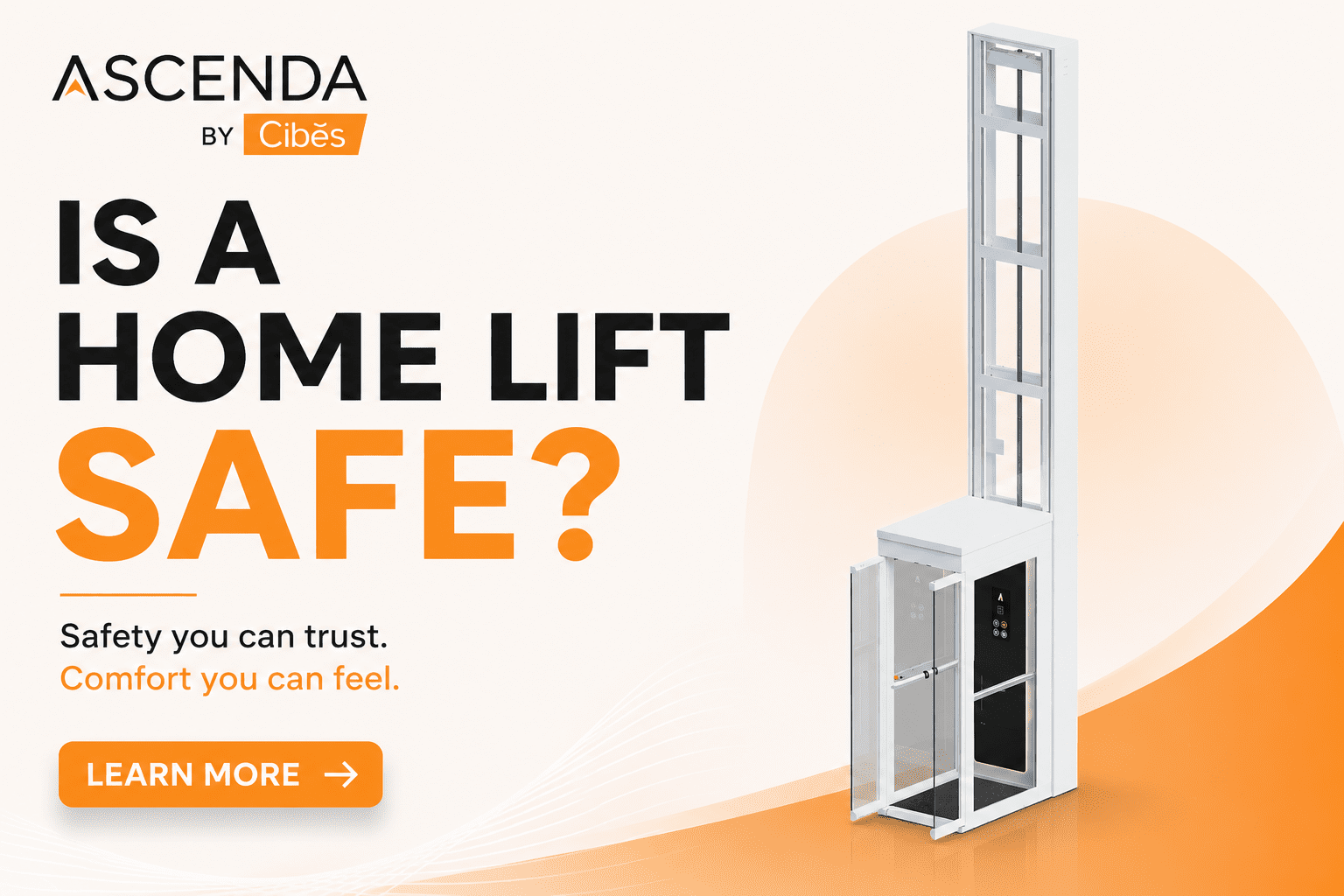
What Is a Home Elevator or Home Lift?
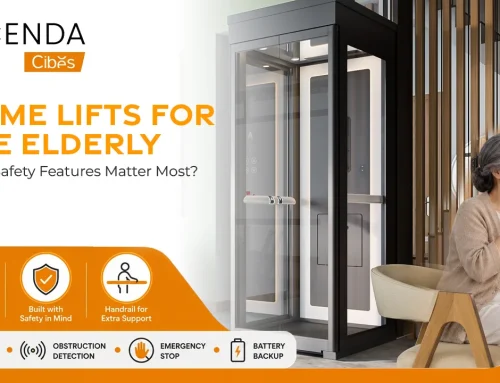
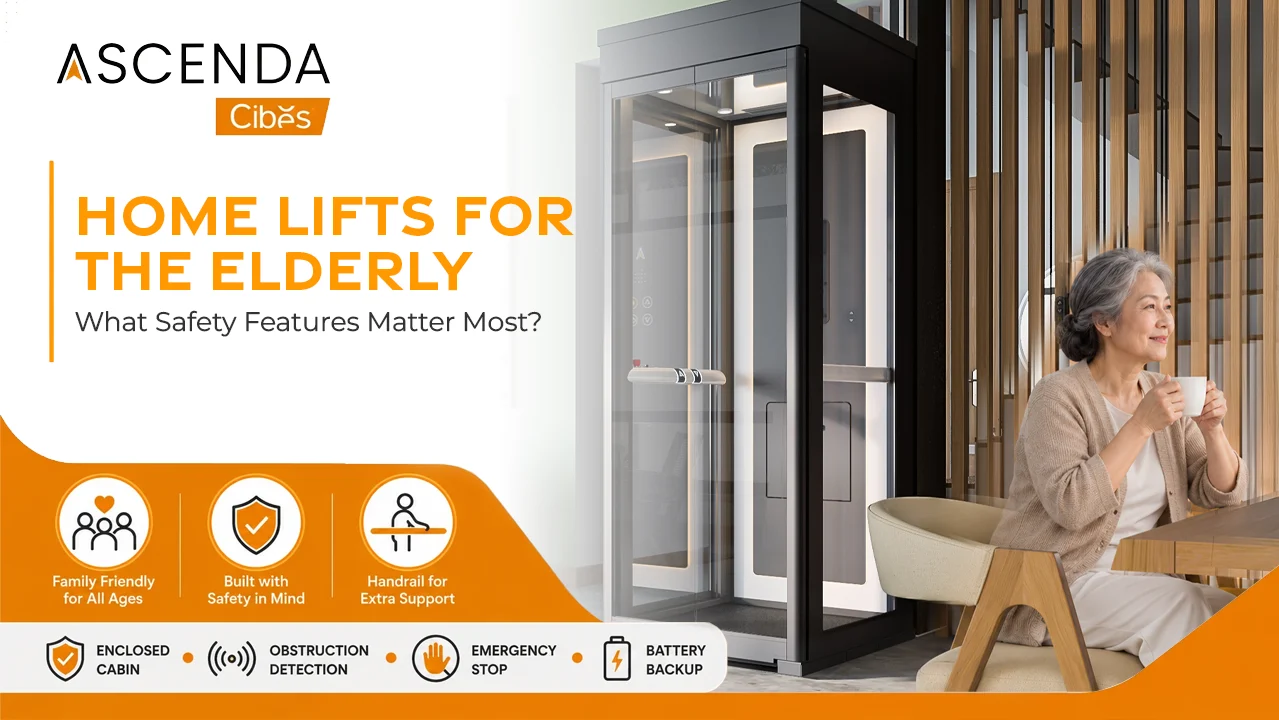
A home elevator, also called a residential lift or home lift, is designed specifically for use inside private homes.
Unlike a traditional commercial elevator, many modern home lifts are built with compact residential spaces in mind. Depending on the model, they can require less structural work and may be suitable for both new construction and existing homes.
According to Ascenda by Cibes Philippines, modern home lifts are increasingly being considered for multi-storey homes because they provide easier access between floors while using space-saving technology designed for residential properties.
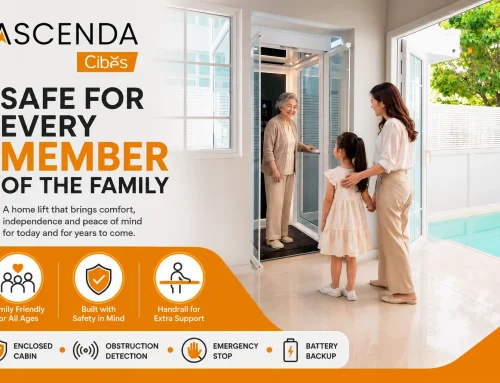
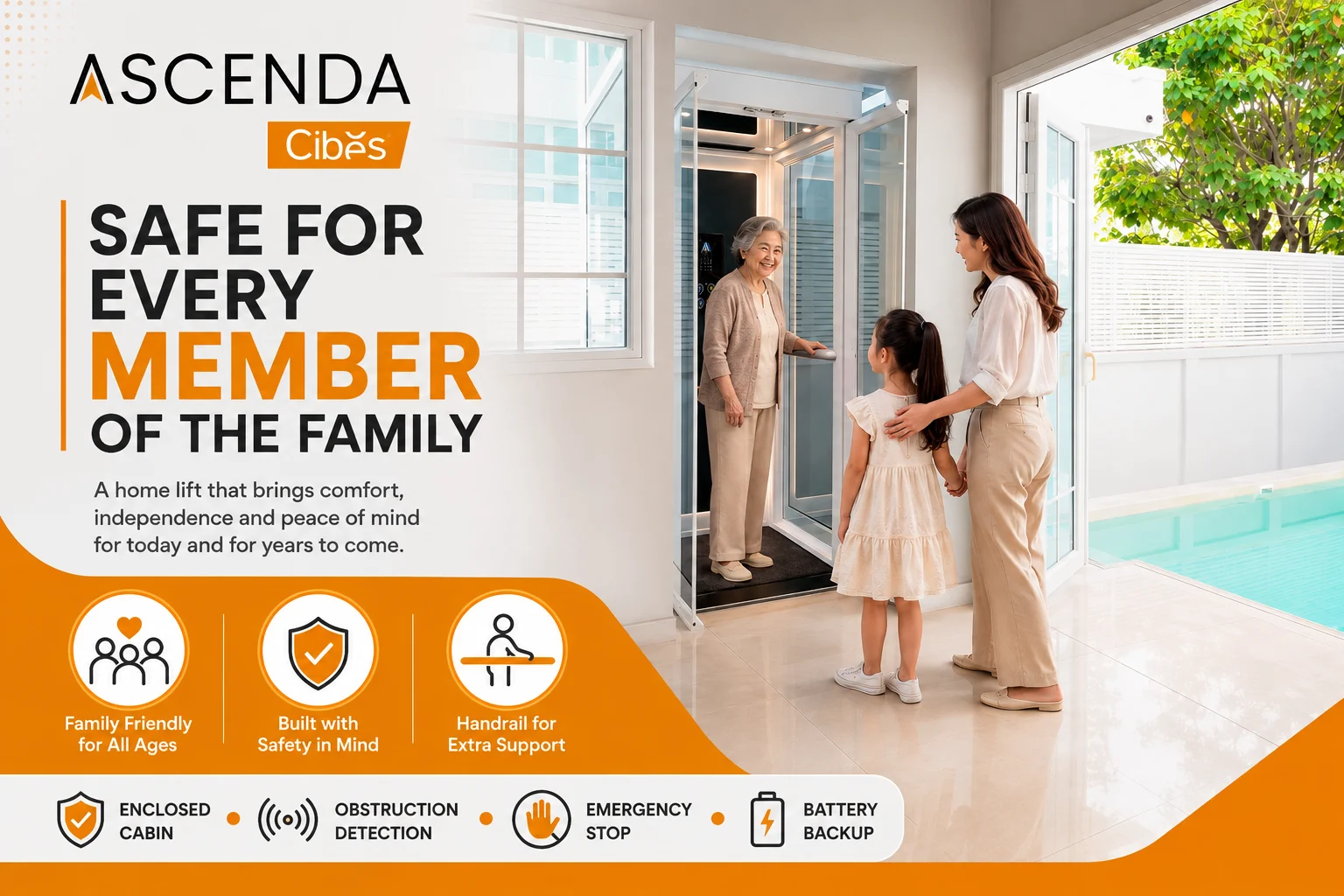
Home lifts can provide access for:
- Seniors
- Wheelchair users
- Families with children
- Multiple passengers
- People carrying groceries or household items
Modern residential lifts can also form part of the home’s interior design. Glass panels, compact footprints, and contemporary finishes allow the lift to fit into many modern residential spaces.
For Filipino homeowners, this can make a home elevator a practical choice when the goal is to improve accessibility without installing a large commercial-style elevator system.
What Is a Traditional Elevator?
Traditional elevators are the type of systems commonly found in:
- Condominiums
- Hotels
- Office buildings
- Hospitals
- Commercial properties
They are designed to handle frequent use and, depending on the system, higher passenger capacity.
Traditional elevator installations can involve more extensive construction. Depending on the technology and building design, the project may require:
- A larger elevator shaft
- Pit construction
- Structural reinforcement
- Electrical preparation
- Dedicated equipment space
- More extensive engineering and site preparation
Not every traditional elevator requires a separate machine room, as machine-room-less systems are available. The exact requirements depend on the elevator technology, building design, and manufacturer.
For a typical two- or three-storey house, these requirements can make a traditional elevator more complex and expensive than a residential home lift.
Which System Is Right for a Filipino Home?
There is no single answer for every house.
A stairlift may make sense when one person needs assistance and the existing staircase can accommodate the system.
A home elevator can be a better fit when several family members need regular access between floors, especially in multi-generational homes or properties designed for long-term accessibility.
A traditional elevator may be more appropriate for larger luxury residences or properties with higher passenger demands and enough space for the required construction.
Before choosing a system, homeowners should consider the total project cost, available space, accessibility needs, structural requirements, maintenance, and long-term use.
A professional site assessment is the best way to determine which lift solution is suitable for the property.
Home Elevator Cost Philippines: Comparison Table
Here is a general comparison of the three most common vertical mobility options considered by Filipino homeowners.
| System | Typical Cost in the Philippines | Best For | Construction Requirements | Passenger Use |
| Stairlift | ₱250,000–₱900,000+ | Seniors and users with limited mobility | Usually minimal; uses the existing staircase | Usually 1 seated passenger |
| Home Elevator / Home Lift | ₱1.2M–₱3.5M+ | Multi-storey homes, families, seniors, wheelchair users | Lower structural requirements than traditional elevators, depending on model | Standing or seated passengers; capacity varies |
| Traditional Elevator | ₱3M–₱6M+ for many residential projects | Large luxury homes and buildings needing higher capacity | Larger shaft, deeper pit, structural work, and other site preparation may be required | Multiple passengers, depending on capacity |
These are general 2026 price ranges, not fixed quotations. The actual cost can change based on the number of floors, lift size, staircase or shaft requirements, finishes, electrical work, site conditions, permits, and installation complexity.
Which Option Gives the Best Value?
The cheapest option is not always the most suitable one.
A stairlift has the lowest typical starting price and can be a practical choice when only one person needs help using an existing staircase. However, it doesn’t provide vertical access for wheelchairs, several passengers, or household items in the same way a lift can.
A home elevator costs more, but it provides broader access between floors. It can be used by seniors, wheelchair users, children, and other family members. Modern residential systems can also require less structural work than traditional commercial-style elevators.
A traditional elevator can provide higher capacity and more flexibility for large properties, but the total project cost can increase because of the required shaft, pit, structural preparation, electrical work, and other construction requirements.
For a typical two- or three-storey Filipino home, a compact home lift can therefore provide a practical balance between cost, accessibility, space, construction requirements, and long-term use.
What Factors Affect the Final Home Elevator Cost?
Actual pricing depends on:
- Number of floors
- Lift size and capacity
- Glass or custom finishes
- Site condition
- Power requirements
- Imported components
- Installation complexity
- Indoor or outdoor placement
- Structural or civil works
- Required permits and electrical upgrades
When comparing quotations, homeowners should look at the total installed cost, rather than comparing the equipment price alone. Additional construction and site costs can have a significant effect on the final budget.
In many Philippine residential projects, compact home elevators provide a useful middle ground between the lower upfront cost of a stairlift and the higher construction requirements of a traditional elevator.
Frequently Asked Questions
How much does a home elevator cost in the Philippines?
A home elevator in the Philippines can typically cost around ₱1.2 million to ₱3.5 million or more, depending on the model, number of floors, lift size, finishes, site conditions, and installation requirements. A site assessment is needed to provide an accurate quotation.
Is a stairlift cheaper than a home elevator?
Yes. Stairlifts generally have a lower upfront cost than home elevators. They can be suitable for homes where one person needs assistance using the stairs. However, a stairlift has more limited use because it normally carries one seated passenger at a time.
How much does a stairlift cost in the Philippines?
A stairlift can generally cost around ₱250,000 to ₱900,000 or more. Straight staircases are usually less expensive than curved or more complex stair layouts. The final price depends on the staircase, rail length, configuration, and equipment selected.
Are traditional elevators more expensive than home elevators?
In many residential projects, yes. Traditional elevators can involve larger shafts, deeper pits, structural preparation, electrical work, and other construction requirements. These additional requirements can significantly increase the total project cost.
Which is better for a two-storey house, a stairlift or a home elevator?
It depends on how the lift will be used. A stairlift can be a practical choice when only one person needs help using the stairs. A home elevator is more suitable when several family members need convenient access between floors, including seniors, wheelchair users, and people carrying household items.
Can a home elevator be installed in an existing house?
Yes. Some home elevators are designed for installation in existing homes and retrofit projects. The available space, floor structure, access points, electrical supply, and installation location need to be assessed before installation.
Does a home elevator need a machine room?
Not necessarily. Some modern residential lifts are designed without a separate machine room. The exact requirements depend on the lift technology and model, so a site assessment is important before construction begins.
Does a home elevator need a deep pit?
Not always. Some residential lift systems are designed with minimal pit requirements compared with traditional elevators. The required pit depth depends on the specific lift model and installation conditions.
Can a home elevator carry a wheelchair?
Yes, selected home elevator models can be designed to accommodate wheelchair users. The required lift size and capacity depend on the wheelchair dimensions, number of passengers, and available space in the home.
Which requires less construction, a stairlift or home elevator?
A stairlift usually requires less construction because its rail is installed along the existing staircase. A home elevator requires more preparation, but some compact residential systems are designed to reduce structural work compared with traditional elevators.
Does installing a home elevator increase property value?
A home elevator can improve the usability and accessibility of a property and may be attractive to buyers looking for multi-generational or future-ready homes. However, the effect on property value depends on the location, property type, installation quality, and buyer demand.
Which is the best option for aging in place?
For homeowners planning to stay in a multi-storey home for many years, a home elevator can provide broader long-term access than a stairlift. It can allow seniors to move between floors without relying entirely on stairs while also serving other members of the household.
How long does it take to install a home elevator?
Installation time varies by model and site conditions. Compact residential lifts can often be installed faster than traditional elevators because they may require less structural work. The actual timeline should be confirmed after a site inspection.
What should I consider before choosing between a stairlift and home elevator?
Consider your budget, number of floors, available space, staircase layout, wheelchair accessibility, number of users, construction requirements, maintenance, and long-term plans for the home. A professional site assessment can help determine which system is suitable for your property.
How do I get a home elevator quotation in the Philippines?
The first step is usually a site assessment. A qualified lift provider can review your home’s layout, available space, floor-to-floor height, electrical requirements, and preferred lift configuration before preparing a quotation.
Experience Centers and Technical Station Address
Makati City | Balintawak – Quezon City | Mandaluyong City | Cebu City | Ilo-Ilo City | Davao City | Cagayan De Oro City

CIBES AUTHOR
Jovelyn Guidaven has been a Sales Account Manager at Cibes Lift Philippines since 2021, helping homeowners, architects, designers, and developers find the right home lift solutions for their projects. She works closely with clients throughout the sales process, providing expert guidance and personalized recommendations based on their accessibility and mobility needs.

Contact Ascenda today for a free home lift quotation. Call +63 917 135 1824, visit www.ascendalift.com.ph, or email ph@ascendalift.com