
TL;DR
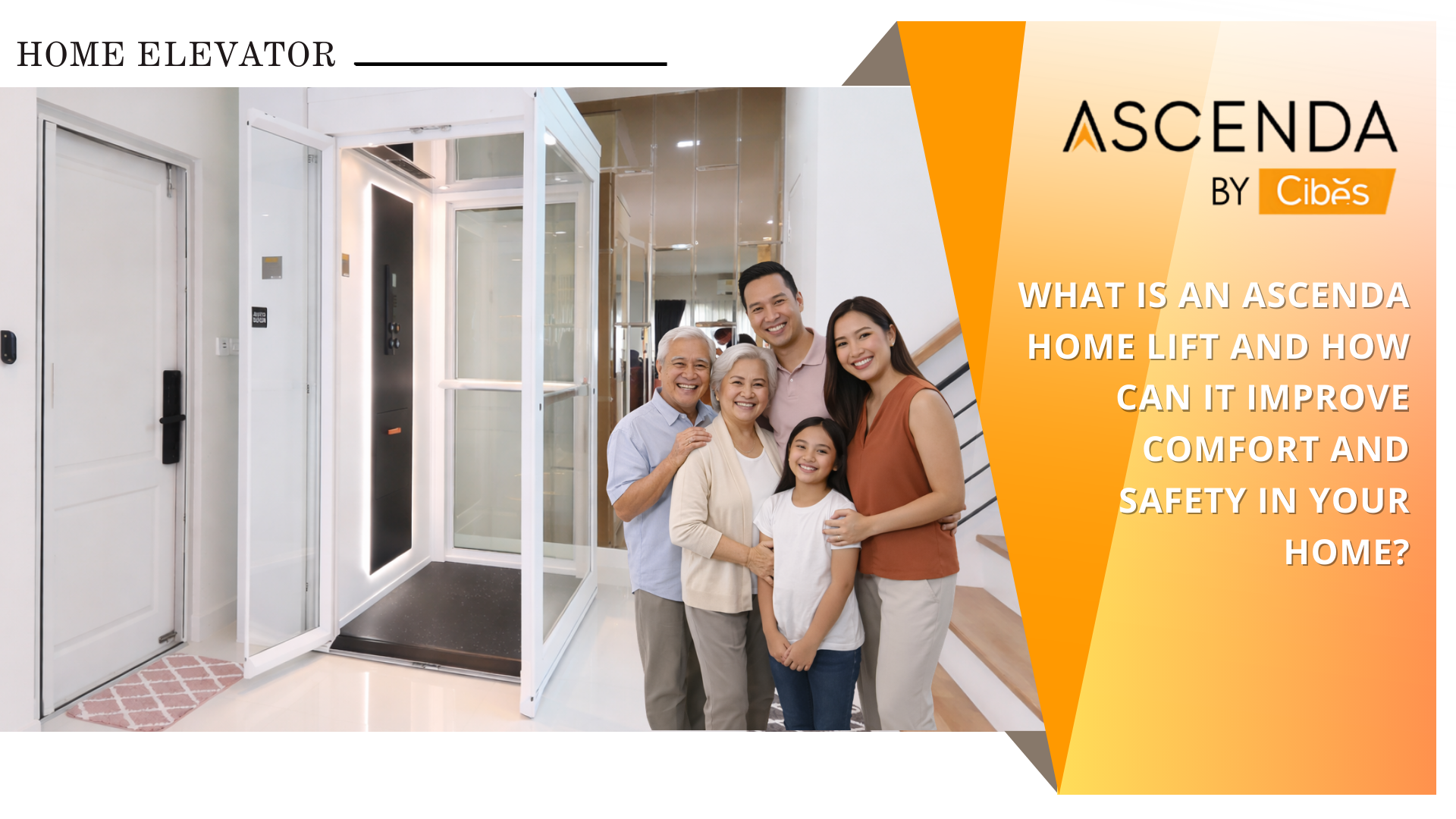
An Ascenda home lift by Cibes is a residential elevator designed for typical private homes in the Philippines. It uses screw-driven technology, follows recognized safety practices, and is installed by trained in-house engineers with ongoing support. It helps homeowners move safely between main living levels and supports everyday comfort and accessibility.
What is an Ascenda home lift and who is it for?
An Ascenda home lift is a compact residential lift from the Swedish Cibes Lift Group, a company with lift expertise dating back to 1947. It’s designed for private homes that need safe and simple vertical access without complex construction.
Many homeowners consider it when:
- A family member has mobility challenges
- Stairs become harder to use over time
- Different levels of the home are used daily
- Accessibility is part of long-term planning
It’s not just about convenience. It’s about keeping every part of the home usable and comfortable.
Why do homeowners in the Philippines install a home lift?
Homes across Metro Manila, CALABARZON, Central Luzon, Cebu, and Davao often have multiple living levels. Over time, stairs can become tiring or risky, especially for older adults or busy households.
Here are common reasons homeowners install a lift:
| Benefit | What it means |
|---|---|
| Easier mobility | Move between levels without strain |
| Improved safety | Lower chance of slips or falls |
| Daily comfort | Carry items more easily |
| Long-term planning | Support future accessibility |
Some homeowners also see lifts to make their property more attractive to future buyers, though value impact varies by market.
What technology does the Ascenda home lift use?
Ascenda lifts use screw-driven technology, known for smooth travel and reliable operation in residential environments.
This system is widely used because it:
- Provides stable movement without a machine room
- Fits well within typical home layouts
- Supports consistent performance over time
- Allows efficient installation in many houses
The design focuses on quiet, predictable operation that blends into daily routines.
What safety standards does the Ascenda home lift meet?
Ascenda home lift is designed following European safety engineering practices and installed in coordination with local building and electrical requirements in the Philippines.
Safety considerations include:
- Built-in safety components for controlled operation
- Engineering aligned with global practices
- Installation by trained technicians
- System checks before handover
For homeowners, this means safety is considered at every stage.
How does the installation process work in the Philippines?
Installing a home lift is typically straightforward when handled by experienced teams serving homeowners nationwide.
| Step | What happens | Who handles it |
|---|---|---|
| Initial consultation | Discuss needs and layout | Ascenda Team |
| Site assessment | Review layout and travel requirements | Ascenda Team |
| Installation | Lift setup and testing | Certified technicians |
| After-sales support | Ongoing service | Support team |
Each home is different, so timelines depend on structural conditions and project scope.
Is a home lift right for every home?
Not always. Ascenda home lift works best when the layout and structure can support installation.
Consider these points:
- Homes with very limited space may need alternative solutions
- Structural conditions must allow safe installation
- For minor mobility needs, a stairlift or ramp may be more suitable
A proper site assessment helps determine the best approach before any commitment.
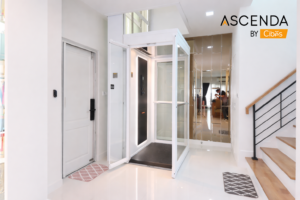
Installed in a two-storey home in Cebu showing compact footprint.
What are the technical specifications of the Ascenda home lift?
| Specification | Typical detail |
|---|---|
| Drive system | Screw-driven |
| Machine room | Not required |
| Use case | Residential homes |
| Installation | Indoor residential |
| Safety features | Emergency stop, backup lowering |
| Power supply | Standard residential electrical |
How Does an Ascenda Home Lift Improve Daily Life?
Small moments add up. Carrying groceries upstairs, helping an older family member move safely, or simply reducing fatigue can make a noticeable difference.
Homeowners often experience:
- Greater independence
- Less concern about stair accidents
- More comfortable daily routines
- Confidence using all levels of the home
It becomes part of everyday living.
Why choose an Ascenda lift over other home lifts in the Philippines?
Ascenda combines global engineering heritage with local support in the Philippines.
| Feature | Detail |
|---|---|
| Origin | Part of the Swedish Cibes Lift Group |
| Experience | Lift expertise built over decades |
| Technology | Screw-driven system |
| Installation | Managed by trained local teams |
| Support | Ongoing service available |
This helps ensure consistent quality from planning through operation.
What should you consider before installing a home lift?
Before moving forward, think about:
- How frequently different levels are used
- Household mobility needs
- Available space
- Future for the home
Planning ahead helps ensure the lift fits naturally into your lifestyle.
How do you plan for a home lift installation in the Philippines?
Installing a home lift can be a practical step toward making a home safer and easier to live in over time. Whether you’re planning, supporting a loved one, or improving daily convenience, the right solution can make everyday movement simpler.
A professional assessment is the best way to understand what works for your home.
“Installing the Ascenda home lift in our two-storey home made everyday life so much easier. Moving between floors feels safe and comfortable, and it gives me real peace of mind for my family. I’m truly happy we decided to have it.”
-Retchel, homeowner in Cebu City
FAQ
Q: What is a home lift?
A: A home lift is a residential elevator designed to help people move safely between levels in a private house.
Q: Is a home lift suitable for older homeowners?
A: Yes. It’s often installed to reduce fall risk and support mobility at home.
Q: How long does installation take?
A: Timelines vary depending on site conditions and preparation.
Q: Do I need a site assessment?
A: Yes. A professional evaluation confirms feasibility and requirements.
What is the first step to install a home lift in my house?

Choosing the right lift involves understanding your space, structure, and long-term needs. A site assessment helps determine the best installation method and size.
Contact a qualified lift provider to discuss your home layout and options.